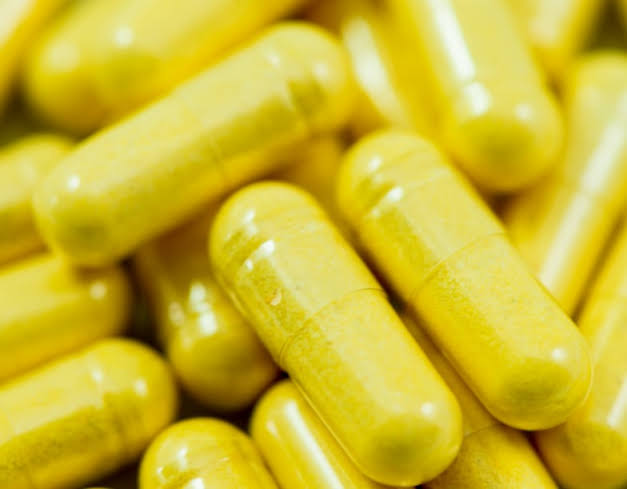
DNP DINITROPHENOL 200MG 50CPS
2,4-Dinitrophenol (DNP) is a supplement commonly used for fast and extreme weight loss. Securely packaged and shipped discreetly worldwide.
Order NowBuy DNP | Buy Dnp UK | Buy Dnp Canada
2,4-Dinitrophenol (DNP) is a supplement commonly used for fast and extreme weight loss in high-level bodybuilders (but is now gaining popularity with the general pollution as well). It is originally used as an explosive, a pesticide, as well as a range of other industrial processes including- dye, wood preserver, herbicide and photographic developer.
It was discovered to cause rapid weight loss in 1933 by Stanford University researcher Maurice Tainter who subsequently marketed the drug as an over-the-counter dietary aid (1, 2).
DNP works by decreasing the efficiency of cells to produce ATP (Adenosine Triphosphate) (3).
This causes the mitochondria to use more energy to create ATP, thus, increasing the metabolic rate and increasing caloric expenditure which leads to weight loss (4).
Imagine that every step you took cost you 11-33% more energy. That’s why DNP is so magical at burning calories.
After a series of deaths in 1938 that were directly linked to DNP toxicity, the USA, UK, Canada, France, and other countries banned the sale of DNP products and listed it as extremely dangerous (5, 6).
In 1981 it made a reappearance when a product called Mitcal became available via private practice – however, the comeback did not go well and many side effects, as well as one death, were reported. In 1986 the physician who was administering the drug was convicted of drug law violations and finally jailed for fraud in 2008 due to unsubstantiated medicinal claims.
In recent years, there has been a resurgence of DNP use, largely in the bodybuilding community. Consequently, over 10 deaths related to DNP have been reported since the early 2000’s (7, 8, 9).
Benefits
- DNP can assist in weight loss. This is the main reported benefit of DNP usage, and it does this through several associated mechanisms listed below.
- DNP increases the metabolic rate by stimulating the uncoupling of oxidative phosphorylation (10). Essentially, this means that when a cell is producing ATP, in the presence of DNP, it will produce less ATP than it would under normal conditions. This causes the cell to undergo more ATP production to meet energy demands. Since the production of ATP actually costs energy, this results in a greater metabolic rate, thereby leading to weight loss (11).
- DNP also causes an increase in internal heat production (12). By altering the electrochemical gradient of protons in favor of producing less ATP, the result is more energy being lost as heat production instead of conversion to ATP (13). This increase in heat production leads to an increase in caloric consumption, which again leads to weight loss (14).
- DNP causes an upregulation in glycolysis (15). Researchers found that the combination of the stimulation of glycolysis and the inhibition of uncoupling resulted in a large increase in carbohydrate depletion (16, 17). All of these mechanisms serve the same purpose: to decrease the efficiency of energy production as a means of increasing energy expenditure. However, these mechanisms greatly disturb normal cell function and are all potentially lethal (18).
- DNP may have promising effects on age-related neurological disorders according to recent research. One study used rat models to assess the effects of DNP use after suffering an ischemic stroke. DNP was shown to reduce impact volume thereby reducing the damage done by the stroke (19). Another model showed promising neuroprotective effects in rats suffering from Huntington’s Disease (20).
- DNP may improve motor function and resist neuro-degeneration in those suffering from Parkinson’s Disease (22).
- DNP makes dieting somewhat effortless. DNP causes such an increase in metabolism that you can literally stuff your face and still lose fat. Not only that, but the appetite suppressing effects are so strong that you won’t even want to eat.
- DNP decreases carb tolerance. Low carb diets have shown time and time again to be an effective weight loss agent. DNP causes an inability to handle large amounts of carbohydrates and often forces users to go lower carb.
- DNP can combat liver disease. A new study showed that a time released DNP pill (12-24hrs) was able to slash liver lipids by up to 90% in rats (27).
- DNP can help with diabetes. When Shulman and colleagues fed DNP to rats, they found that the drug boosted the animals’ insulin sensitivity (28).
- DNP can protect mitochondria from Reactive-Oxygen Species (ROS) mediated cell death by allowing energy to be lost through uncoupling rather than contained in the mitochondria to exert damage.
Side Effects
- DNP can cause cardiovascular failure. The decreased efficiency of ATP production inevitably leads to an increase in internal body temperature (30).
- DNP can cause rapid, short breaths, drastically increased heart rate, as well as increased blood pressure (32).
- DNP can cause hyperthermia and cook you from the inside out (33).
- DNP can cause blindness (34).
- DNP has also been known to cause fevers, confusion, and occasional convulsions (35, 36).
- DNP has a narrow therapeutic window that varies from individual to individual. The biggest problem with DNP is that one dose will benefit somebody, while the same dose might kill them.
- DNP can down-regulate your thyroid levels, specifically T3.
- DNP can deplete and alter electrolytes. It has been reported that supplementation with Dinitrophenol can cause potassium accretion in renal tissue in rabbits and may contribute to toxicity (37, 38).
- DNP can cause insomnia.
- DNP can cause diaphoresis (excessive sweating) (40).
It should be noted that most of these side effects are normal – they are not just present when you overdose.
Recommended Dosage
Standard online protocols advice for titrating up towards a dose of 200-400 mg daily with cessation after 2 weeks of usage.
This dosing information is anecdotal in nature and is based on past human trials that were not conducted in a controlled fashion. No information exists in the scientific literature for the best dosages for weight loss. DNP is not currently recommended for safe use at any dosage level by the FDA.
Fatalities have been reported from dosage levels as low as 4.3mg/kg all the way to as high as 5g, suggesting that a safe level of use is unknown (41).
FAQ
Can DNP kill you?
Yes, DNP in high doses can cause hyperthermia, or overheating, which can literally cook you from the inside.
Why is DNP so dangerous?
One of the risks of DNP is that it accelerates the metabolism to a dangerously fast level. Speeding up the metabolism may help burn off fat, but it can also trigger a number of potentially dangerous side effects, such as fever and dehydration.
Is DNP an effective weight loss drug?
Yes, DNP has been shown to accelerate the metabolism by up to 33%. That means that someone who normally burns 2000 calories per day will now burn over 600 more per day without moving a muscle.
Is DNP a steroid?
No, DNP is not a steroid.
What are the side effects of DNP?
Side effects can include tachycardia (irregular and rapid heart rate), rapid breathing, fever, dehydration, dizziness and headaches, high temperature, sweating and flushed skin, nausea and vomiting and death.
Is DNP FDA approved?
No, It has been an FDA banned drug since 1938.
Is DNP legal?
No, DNP is illegal to purchase and also to distribute for human consumption. However, it can be sold legally as a pesticide.
What is uncoupling from DNP?
DNP works via increasing heat production in cells- a process known as uncoupling. This makes cells less efficient with energy and at completing respiration of ATP– this is our energy currency and we rely on it for all bodily functions.
How much DNP should you take?
If you decide to try this illegal drug, start a low dose, probably 100mg or less. Then slowly titrate up. DNP overdose is unforgiving and often results in permanent damage and often death.
What does DNP look like?
The chemical is a yellow crystalline powder that has a sweet, musty odor. It sublimes, is volatile with steam, and is soluble in most organic solvents as well as aqueous alkaline solutions.